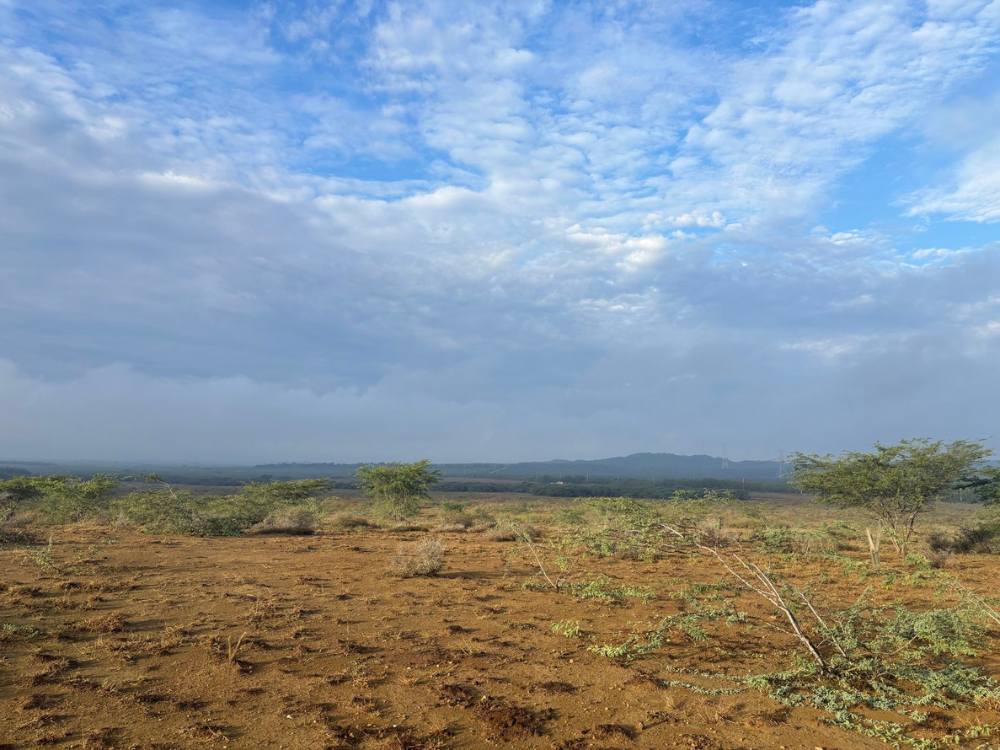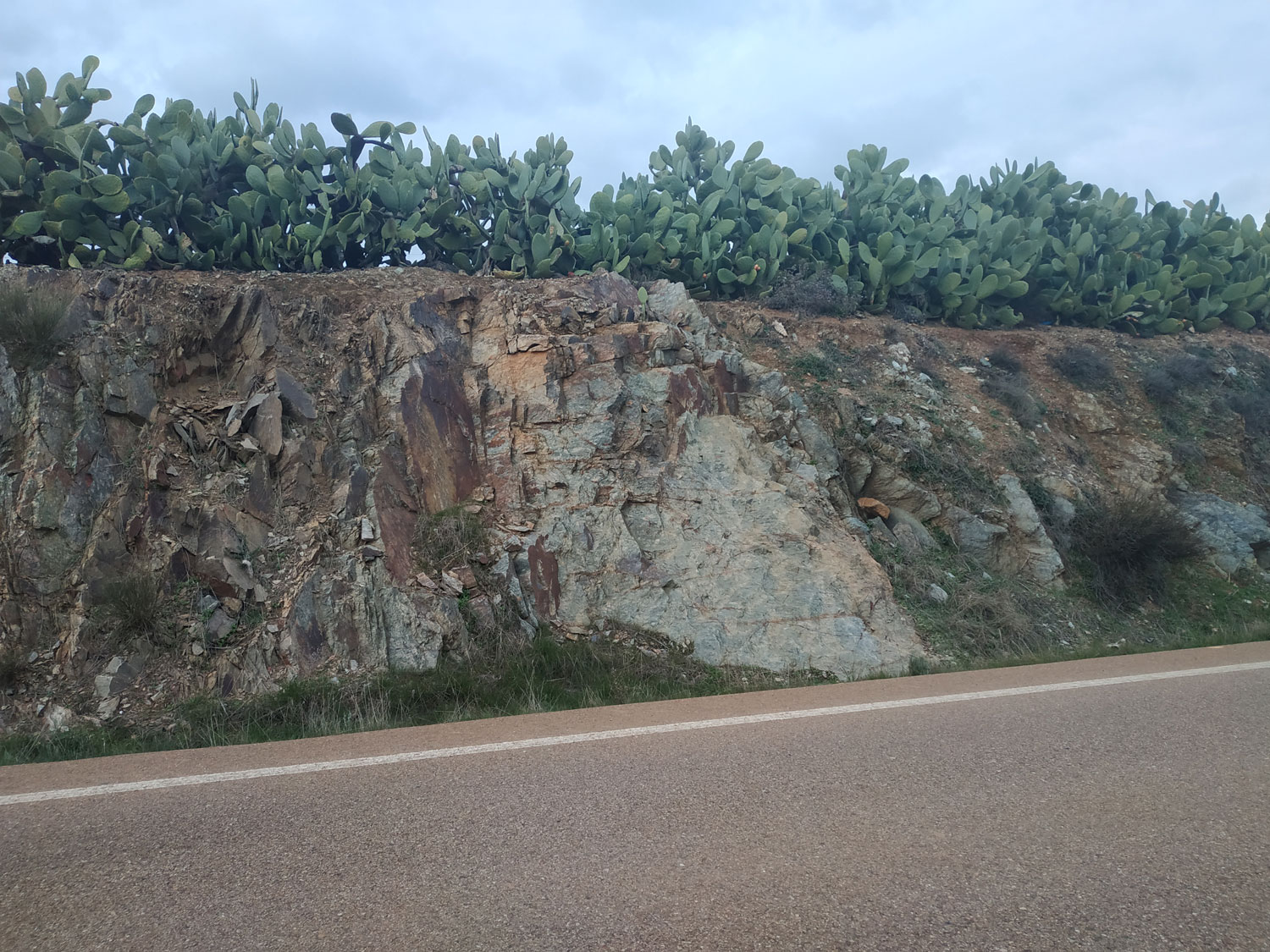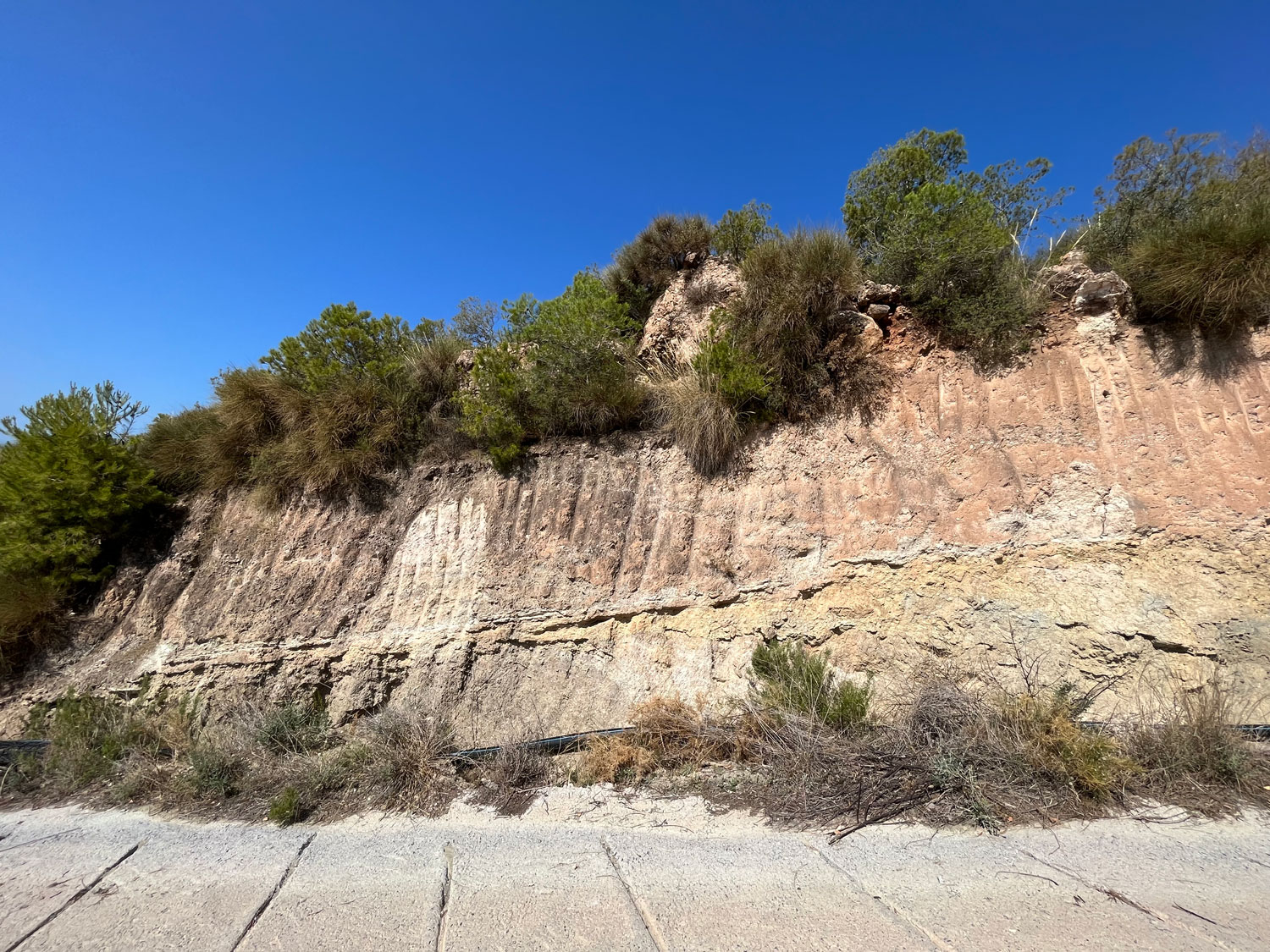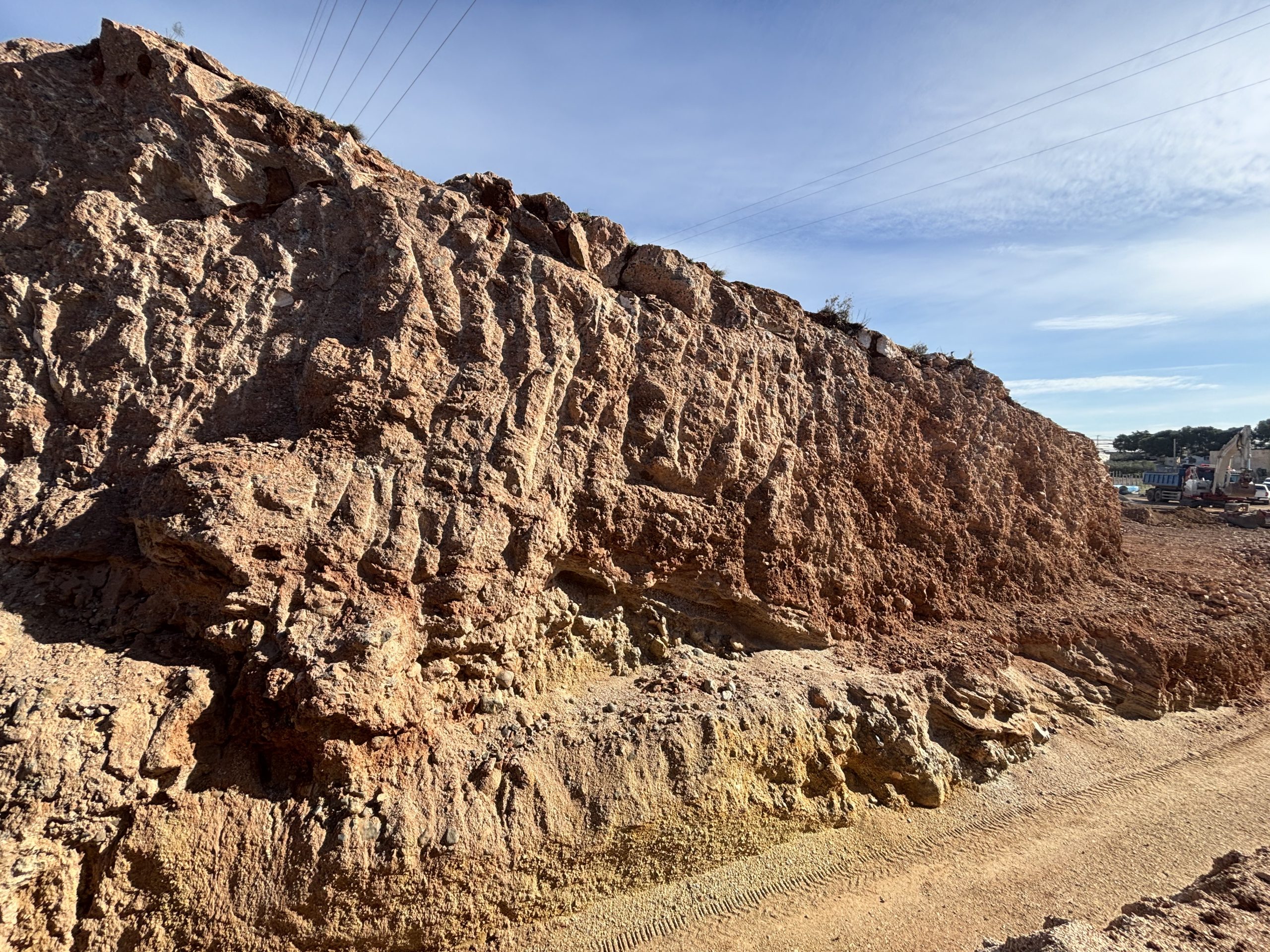
The geotechnical report is the technical document that compiles the results of the ground investigation and translates them into design criteria applicable to an engineering or construction project. Based on the geotechnical investigation of the ground, this report integrates field data, laboratory tests and technical interpretation to define the parameters required for the calculations.
The geotechnical report forms the basis for decision-making in the design of foundations, structures and construction solutions, particularly in civil engineering and building projects, where ground conditions directly influence the behaviour of structures.
At GEOSERVIN, we produce geotechnical reports for civil engineering, building and hydraulic infrastructure projects, combining ground investigations with technical criteria based on field experience and the geotechnical interpretation of the site.
What is a geotechnical report?
A geotechnical report is a technical document that summarises the information obtained during the geotechnical investigation of the site and translates it into conclusions and recommendations for the project.
It includes a description of the site, the results of the tests carried out and an interpretation of the data, with the aim of defining a geotechnical model to serve as the basis for the design.
The report forms part of the comprehensive geotechnical survey of the site.
What information does a geotechnical report contain?
The content of a geotechnical report may vary depending on the type of project, but it generally includes the following sections:
Geological description of the site
The geological context of the site is described, including the lithology, ground structure and geomorphological conditions. This analysis enables an understanding of the formation of the subsoil and the identification of potential factors that may influence the behaviour of the ground.
Results of the geotechnical investigation
Data obtained during fieldwork, such as soundings, test pits and in-situ tests, is collected. This information enables a detailed characterisation of the ground and provides insight into its properties under real-world conditions.
Laboratory tests
It includes the results of tests carried out on the samples obtained, which enable the physical and mechanical properties of the ground to be determined. These tests are essential for establishing reliable parameters for geotechnical calculations.
Geotechnical parameters
Based on the results, the parameters required for the calculation—such as strength, deformability and load-bearing capacity—are defined. These values are key to the design of foundations and other structural solutions.
Interpretation of geotechnical results
The interpretation of results is one of the most important parts of the geotechnical report, as it enables the data obtained to be transformed into useful information for the design.
Through geotechnical analysis, field and laboratory results are integrated into a ground model that reflects how the ground behaves under the project conditions.
This process requires technical expertise, as the quality of the interpretation directly affects the reliability of the design. Proper interpretation helps to reduce uncertainties and optimise structural solutions from the early stages.
How is a geotechnical report used in a project?
The geotechnical report serves as the basis for the design and planning of construction solutions. It plays a vital role in various stages of the project:
- Determining the type of foundation.
- Stability assessment of slopes and excavations.
- Design of underground structures.
- Planning of earthworks.
- Definition of soil treatments.
The data included in the report is obtained through geotechnical investigation of the site, carried out through specific survey campaigns.
In real-world projects, this information is crucial for coordinating the design with site conditions, reducing uncertainties during construction and avoiding subsequent modifications resulting from insufficient characterisation of the subsoil.
The importance of the geotechnical report during the design phase
During the design phase, the geotechnical report helps to reduce the uncertainty associated with the ground and improve the reliability of the solutions adopted.
A well-structured report makes it easier to:
- Making informed technical decisions.
- Design optimisation.
- Risk mitigation during implementation.
- Adapting solutions to the actual site conditions.
Furthermore, it enables the identification of potential geotechnical issues and the implementation of preventive measures before work begins. This translates into greater safety, cost control and efficiency during the project’s execution.
At GEOSERVIN, we apply this approach when drafting geotechnical reports for road, water infrastructure, building and renewable energy projects, ensuring that the findings of the study are translated into viable technical solutions tailored to the actual site conditions.