A geotechnical site investigation is a technical study that enables the subsoil to be characterised and its behaviour analysed in engineering and construction projects . Geotechnical site investigations provide the data required to define design parameters, assess site conditions and understand the interaction between the ground and the proposed structure.
This article describes the stages and scope of a geotechnical investigation from a technical perspective, as applied to civil engineering and building projects.
At GEOSERVIN, we carry out geotechnical studies for infrastructure, building and renewable energy projects, combining site investigations, geotechnical modelling and on-site experience to provide reliable technical recommendations tailored to each specific site.
What is a geotechnical survey of the site?
A geotechnical survey of the site is a technical investigation aimed at determining the geological and geomechanical properties of the subsoil at a specific location.
To this end, fieldwork, in-situ tests and laboratory analyses are combined to provide information on the nature of the materials, their mechanical behaviour and their response to the project loads.
The result is a geotechnical model of the site that serves as the basis for the calculation and design of foundations and other structural solutions.
The quality of a geotechnical study depends directly on the proper execution of the ground investigation and the technical interpretation of the results obtained.
Puedes ampliar información en nuestro servicio de estudios geotécnicos.
What is the purpose of a geotechnical study in a project?
The geotechnical study provides an understanding of how the ground interacts with the proposed works , thereby facilitating technical decision-making during the design and construction phases.
Foundation Design
The study provides the parameters required to determine the most suitable type of foundation based on the bearing capacity of the ground, its deformability and the anticipated loads.
Slope stability
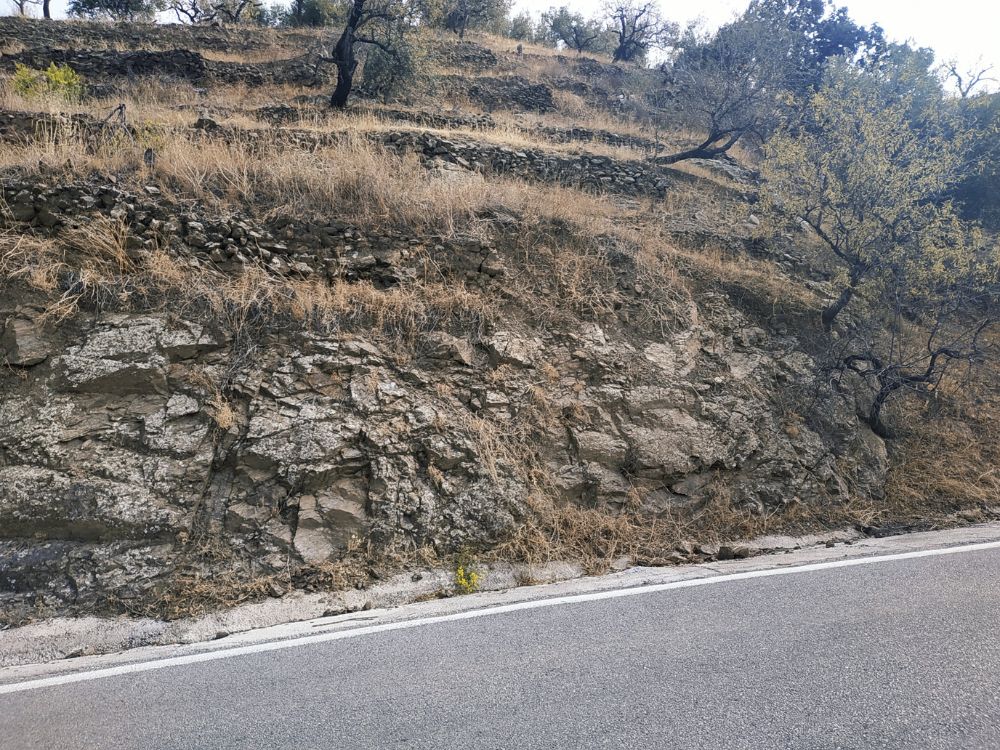
It enables the analysis of the stability of slopes and hillsides, identifying potential risks and defining retaining or stabilisation solutions.
Underground structures
In underground works or buried structures, a geotechnical survey enables the assessment of earth pressures, drainage conditions and subsoil behaviour.
Project optimisation
The information obtained during the geotechnical investigation of the site makes it possible to optimise the design, reduce uncertainties and adapt the construction solutions to the actual site conditions.
When is a geotechnical survey required?
A geotechnical survey of the site is mandatory for most building projects, in accordance with the Technical Building Code (CTE), and is essential in civil engineering works to ensure the safety and feasibility of the design.
In general, this should be carried out when designing foundations, excavations or structures in contact with the ground.
In engineering projects, beyond regulatory requirements, a geotechnical study is an essential tool for ensuring the technical and economic viability of the chosen solution.
Stages of a geotechnical site investigation
The preparation of a geotechnical site investigation follows a structured methodology that combines fieldwork, testing and technical analysis, tailored to the characteristics of the site and the project requirements.
At GEOSERVIN, these phases are tailored to the specific characteristics of each project, with specific investigation campaigns being designed to gather representative and useful data for the design process.
Collection of geological data
In the initial phase, the available background data—such as geological maps, previous studies or information on the surrounding area—is analysed. This compilation enables the geological context to be defined and provides guidance for the design of the geotechnical investigation.
Geotechnical investigation campaign
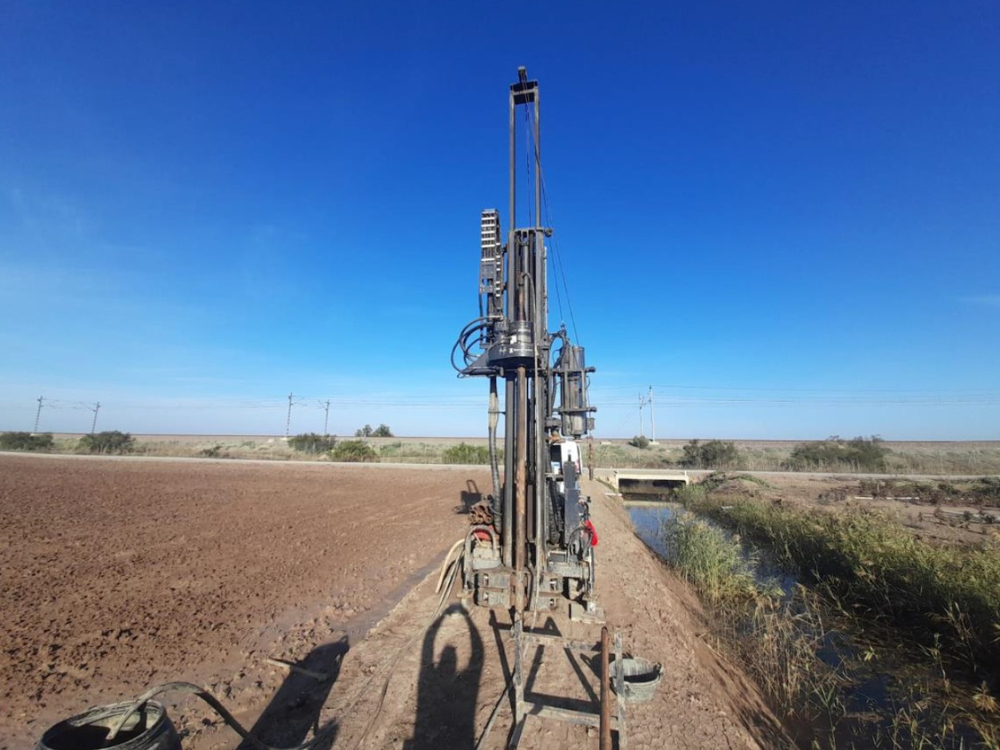
The necessary fieldwork to characterise the subsoil is carried out, including boreholes, test pits and in-situ tests. This phase enables samples to be taken and the ground structure to be recorded.
This work forms part of the geotechnical site investigation campaign.
Laboratory tests
The samples obtained are analysed in the laboratory to determine the physical and mechanical properties of the materials, such as strength, plasticity and compressibility. This data is essential for geotechnical calculations.
Geotechnical interpretation and modelling
Finally, the information obtained is incorporated into a geotechnical model of the site, which enables the definition of calculation parameters, the assessment of subsoil behaviour, and the formulation of technical recommendations for the project design.
The importance of geotechnical site investigation
Geotechnical site investigation is a key stage in the geotechnical study, as it provides direct information on the actual conditions of the subsoil.
Unlike theoretical analysis or prior information, a site survey allows the nature of the materials to be verified, stratigraphic variations to be identified, and potential geotechnical factors that may affect the project to be detected.
Proper site investigation reduces design uncertainty, improves the reliability of geotechnical parameters and enables the development of construction solutions tailored to the actual site conditions.
Furthermore, the scope and quality of the geotechnical investigation have a direct impact on the accuracy of the geotechnical model and, consequently, on the safety and optimisation of the project.
This work is carried out through geotechnical investigation programmes that include boreholes, in-situ tests and subsoil analysis.